
Two products can come out of the same 3D printer using the same material, the same settings, and even the same file. One feels like it belongs in a high-end design store. The other feels like a rough prototype made for testing.
The difference is rarely the printer. It comes from decisions made in design thinking, surface quality, and how the product is experienced by the customer.
In modern 3D printing design, value is no longer defined by production, it is defined by perception.
In this blog you will learn how design, finishing, and psychology determine why some 3D printed products feel premium while others feel cheap.
Key Reasons Why Some 3D Printed Products Feel Premium
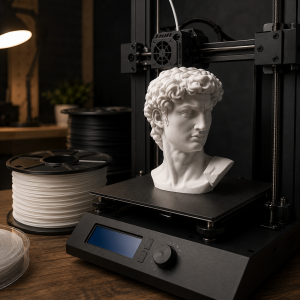
1. People Decide Value Before They Understand Function
Human beings judge products instantly, often before they understand what the product actually does.
Research in cognitive psychology shows that first impressions form in milliseconds. In that moment, the brain quickly evaluates shape, balance, color, and surface quality to decide whether something feels premium or low-quality.
This is where customer perception starts.
A smooth, well-balanced design feels high-quality. A rough or inconsistent one feels less valuable, even if both work the same.
That’s why strong premium product design focuses on visual impact first.
2. Texture Is the First Proof of Quality
After the first impression, the brain looks for confirmation, and texture becomes the strongest signal.
Layer lines, rough edges, and uneven surfaces instantly reduce perceived value. Even if a product is strong and functional, visible imperfections communicate “unfinished work.”
Smooth surfaces signal precision. Rough surfaces signal low effort. At this stage, perception becomes physical. What people feel visually becomes what they believe is true.
3. Design Thinking Comes Before Printing
A 3D printer only executes ideas, but it does not create value on its own. Real quality starts with design thinking, where form, proportion, and simplicity are planned before printing begins.
Strong designs usually follow:
- clean geometry
- balanced proportions
- intentional simplicity
- reduced visual noise
Design thinking is valuable in every creative field because great results always begin with thoughtful planning. Whether designing a physical product or creating a visual brand experience, clear hierarchy, balanced proportions, and purposeful simplicity help transform ordinary ideas into products that stand out.
4. Finishing Is What Turns Good Into Premium
If design creates intention, finishing creates reality.
This is where raw prints become market-ready products through:
- sanding
- coating
- painting
- smoothing
- careful assembly
But finishing is not only technical, but it is also emotional.
This is also where premium packaging plays a major role. A well-packaged product feels valuable even before it is used. It sets expectations and builds trust instantly.
A product is not premium because it is printed well; it is premium because it is presented well.
5. Color and Material Shape Emotion
Customers don’t study technical details, but they strongly respond to visual signals.
Matte finishes are also more controlled, which can help to give them a more refined appearance. Glossy finishes can feel less refined if not handled carefully.
Color psychology also matters:
- Neutral tones feel premium and stable
- Dark tones feel strong and refined
- Bright tones feel casual or low-cost
Material choice reinforces these feelings, even without technical understanding. All of this shapes customer perception at a subconscious level.
Why Some 3D Printed Products Sell for More
In real markets, identical products made with the same 3D printing technology can sell at very different prices.
Products with:
- clean finishing
- consistent colors
- minimal design
- strong packaging
- clear visual identity
They are seen as premium and can command higher prices. The same products without finishing are often labeled as prototypes. This shows a simple truth: customers don’t buy manufacturing; they buy experience.
This is why businesses like Comright play an important role in shaping strong visual identity systems that improve how both digital and physical products are perceived. Their professional graphic design services make products feel more premium before customers even use them.
Why Many 3D Printed Products Look Cheap
Most looking prints are not failures of technology, they are failures of design execution.
Common issues include:
- weak finishing
- poor proportion balance
- inconsistent colors
- lack of minimalism
- overcomplicated design
Even advanced tools or AI-generated models fail when they are not refined with human design judgment. Without visual discipline, products fail to communicate value.
The Future of 3D Printed Value
As 3D printing becomes more accessible, technology will no longer be a competitive advantage. Anyone will be able to produce objects.
The real difference will come from:
- thoughtful design
- minimalism
- finishing techniques
- material selection
- premium packaging
- visual identity
The same principle applies to branding. Businesses that invest in a graphic design service often strengthen their packaging, marketing materials, and visual identity, creating a more premium experience that complements high-quality products.
Even creative brands like Comright show how design-led thinking is becoming essential in building strong experiences across both digital and physical spaces. Technology will become common. Taste will become rare.
Premium Products Are Designed, Not Printed
The difference between premium and low-quality 3D printed products is not created by machines; it is created by perception.
Customers don’t evaluate layer height or technical settings. They evaluate how a product looks, feels, and communicates quality in seconds.
In the end, premium value is not printed; it is designed, refined, and experienced.
To build a stronger visual identity, improve design quality, and create high-impact brand experiences, explore how Comright can help you turn design into real market value.